


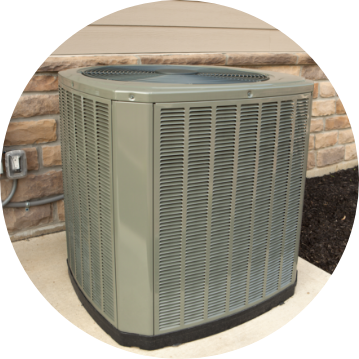
Your heat pump works hard keeping your home comfortable through both hot summers and chilly winters. Since it operates throughout all seasons, it tends to experience more wear and tear than other HVAC systems. Eventually, you will probably ask: Should I repair my heat pump one more time, or is it time for a replacement?
When you know the warning signs, you can make a confident choice that balances cost, comfort, and energy savings. Here are the most important signs to watch for, along with guidance on whether you can get by with a repair or should plan for a full replacement.
1. Your Heat Pump Is Over 12 Years Old
Age is one of the most evident signs that your system may need replacement. Most heat pumps can last 10 to 15 years with proper maintenance. If yours is over 12 years old, efficiency often drops sharply, and repairs become less cost-effective.
A repair may be a good option for a younger system. For example, fixing a blower motor on an eight-year-old heat pump could give you several more years of use. However, once your system reaches 15 years or more, a repair may only provide a short reprieve before the next breakdown. In that case, investing in a new heat pump usually saves money in the long run.
2. You Call for Repairs Too Often
Another sign is the frequency of service calls. Needing one small repair every few years is normal, but if you’ve had to call a technician multiple times in the last two years, your system is showing its age.
Minor issues, like replacing a capacitor or fan motor, may not mean much on their own. However, if you encounter electrical failures, refrigerant leaks, and airflow problems in quick succession, those minor issues can accumulate. Frequent repairs not only cost more but also signal that your heat pump is nearing the end of its reliable life.
3. Repair Costs Approach Half the Price of a New System
The 50% rule is a practical method for determining whether repair or replacement is the more sensible option. If a repair costs 50% or more of what a new heat pump would cost, replacement usually provides better value.
For instance, if you face a $3,000 repair bill and a new system costs $6,500, replacement protects you from sinking money into an older unit that may fail again soon. However, a $500 repair on a seven-year-old heat pump can still make sense. Use the 50% rule as a sign to avoid spending more than the system is worth.
4. The Compressor or Reversing Valve Fails
Some heat pump parts are inexpensive and simple to replace, but others signal a turning point. If your compressor fails, you’re facing one of the most expensive repairs in HVAC. Since the compressor acts as the heart of the system, replacing it often costs thousands of dollars.
The same goes for a reversing valve, which switches between heating and cooling modes. Evaporator and condenser coil replacements also fall into the “major repair” category. If one of these critical parts breaks in a system that’s already past 10 years old, replacement almost always makes more sense than repair.
On the other hand, smaller parts, like contactors, capacitors, or relays, are more affordable. If your system is still relatively young, repairing those components is a sign you can squeeze more years out of your heat pump.
5. Utility Bills Keep Rising
A steady increase in your energy bills is a clear sign your heat pump is losing efficiency. Even if the system still runs, it uses more energy to produce the same level of comfort. That inefficiency becomes expensive quickly.
If a repair restores efficiency, such as cleaning the coils or fixing a blower, you may get some relief. However, if your bills stay high despite multiple service calls, the heat pump itself has likely reached the end of its useful life. In that case, replacement brings the benefit of lower utility bills and modern efficiency features.
6. Comfort Levels Decline
When your heat pump no longer keeps your home comfortable, it’s a major sign of trouble. Uneven heating or cooling, weak airflow, or cycles that drag on without reaching the thermostat setting often point to an aging system.
Sometimes, the fix is straightforward, like clearing a blockage or replacing a thermostat. However, when performance problems accumulate, such as poor humidity control, inconsistent temperatures, and noisy operation, they often indicate that the entire system is deteriorating. If repairs don’t restore comfort, replacement is the next logical step.
7. Strange Noises or Odors Continue
Heat pumps usually operate quietly, so strange sounds should catch your attention. Grinding, rattling, or buzzing noises often mean mechanical wear or electrical problems. In some cases, a single repair resolves the issue. However, if the noise returns soon after the service, or if multiple components start making unusual sounds, it’s a sign of a deeper system failure.
Odors also matter. A musty smell may indicate mold inside the system, while a burning odor could suggest electrical trouble. If these odors linger after repairs or cleaning, the system may no longer be safe to operate, and you should consider getting a replacement.
8. Your System Still Uses R-22 Refrigerant
Another sign is the type of refrigerant your system uses. Older heat pumps may still rely on R-22, which is no longer made due to environmental regulations. If your unit leaks R-22, repairs can become extremely expensive, and in some cases, they may be impossible.
If your system still runs on R-22, that alone is a strong sign to replace it. New heat pumps use environmentally friendly refrigerants like R-410A, which makes maintenance and future repairs far more practical.
When Repairs Still Make Sense
Not every sign means automatic replacement is necessary. If your heat pump is under ten years old and only needs a minor part replaced, repairs can extend its life. Seasonal maintenance also plays a role, helping you to catch issues early and keep the system efficient. If your system is under warranty, repairs often cost very little. If you plan to move soon, repairing an older unit may be a more sensible option than installing a new one that you won’t benefit from in the long term.
When Replacement Becomes the Smarter Choice
If several of the signs above line up, your system is old, inefficient, noisy, and frequently breaking down; it’s time to think seriously about replacement. A new heat pump brings higher efficiency, better comfort, and far fewer repair bills.
Modern models often include advanced features like variable-speed compressors and smart thermostat compatibility, which improve both performance and savings. Although the initial cost may seem too large to manage, the long-term benefits will outweigh the expense.
Contact George’s Air Conditioning for Heat Pump Care
Deciding between repair and replacement does not need to be overwhelming. By paying attention to these eight signs, you can make an informed decision. Repairs can sometimes buy you another season, but once your heat pump shows several of these signs at once, replacement usually delivers the best results. At George’s Air Conditioning, we have been providing heating and cooling services to residents of Texas City since 1999. Contact us today to schedule a consultation with our team.